
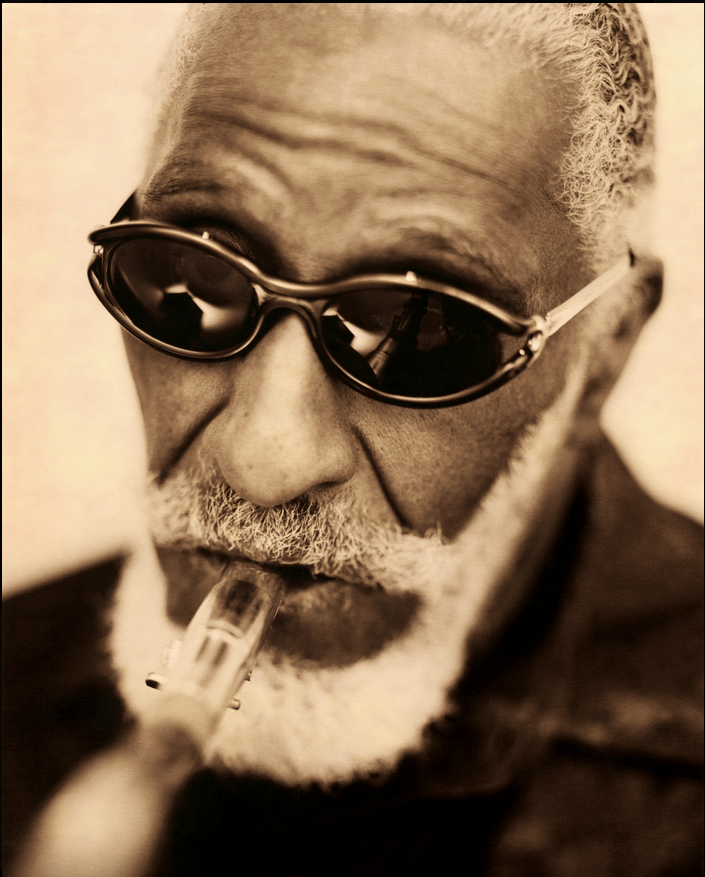
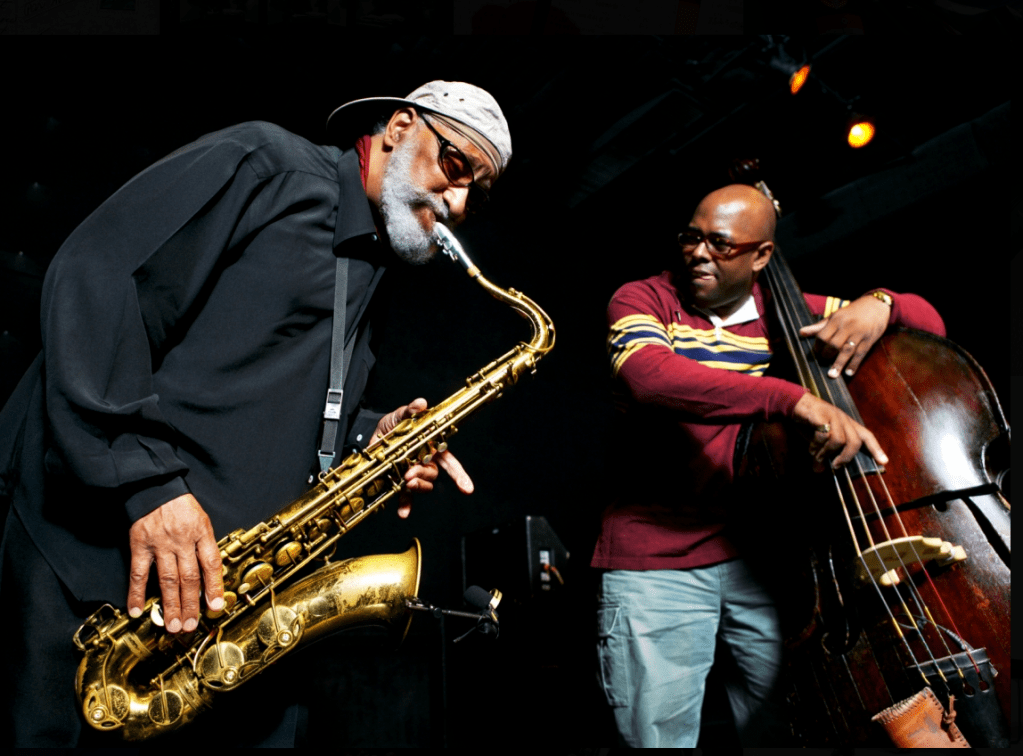
Sonny Rollins, the “Saxophone Colossus,” died at 95 on May 25, 2026. He had an immediately recognizable sound. In his own way, he carried the fight for civil rights, transforming the experience of a Black American man into musical form and political statement.
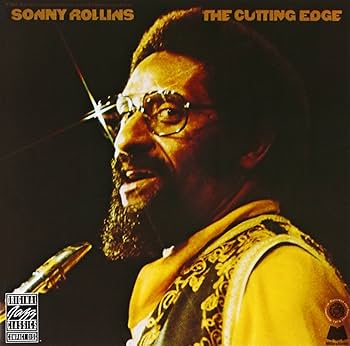
My first shock with Sonny Rollins goes back to 1977. I bought The Cutting Edge, a live album recorded at the Montreux Jazz Festival in 1974. A pivotal record, it opened the door to his work, to his whole body of work. For nearly half a century now, it has stayed with me: a companion of the ear, of sound, of time. With every listening, that saxophone stands upright, speaks, moves forward, resists. Rollins was already making that clear: a jazz that thinks at the same time as it breathes.
Born in Harlem in 1930, Sonny Rollins grew up in a Black neighborhood shaped by intense musical life, but also by the humiliations of segregated America. He dreamed of entering The Cotton Club, the mythical venue where Black artists performed while Black audiences were still barred from entry. That paradox says a great deal about his era: Black music admired, Black people kept outside.
In 1958, Rollins composed Freedom Suite, born of his anger at being unable to rent the apartment of his choice. On the album cover, he wrote:
“America is deeply rooted in Negro culture… yet the Negro is persecuted and oppressed.” This artistic gesture, more than a platform speech, made the Black condition audible in the very fabric of the sound.”
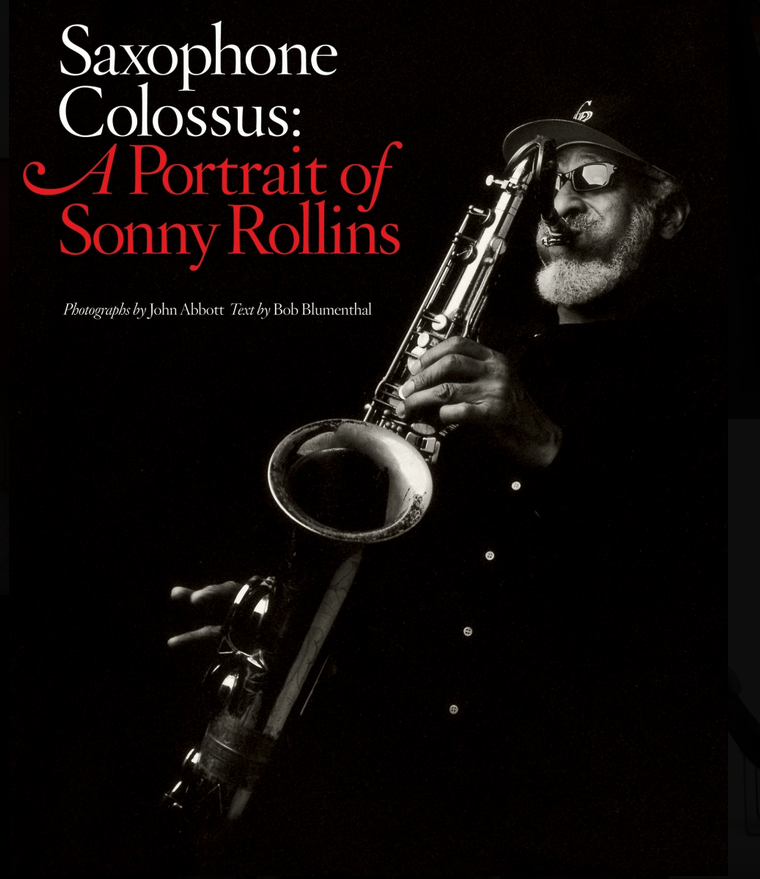
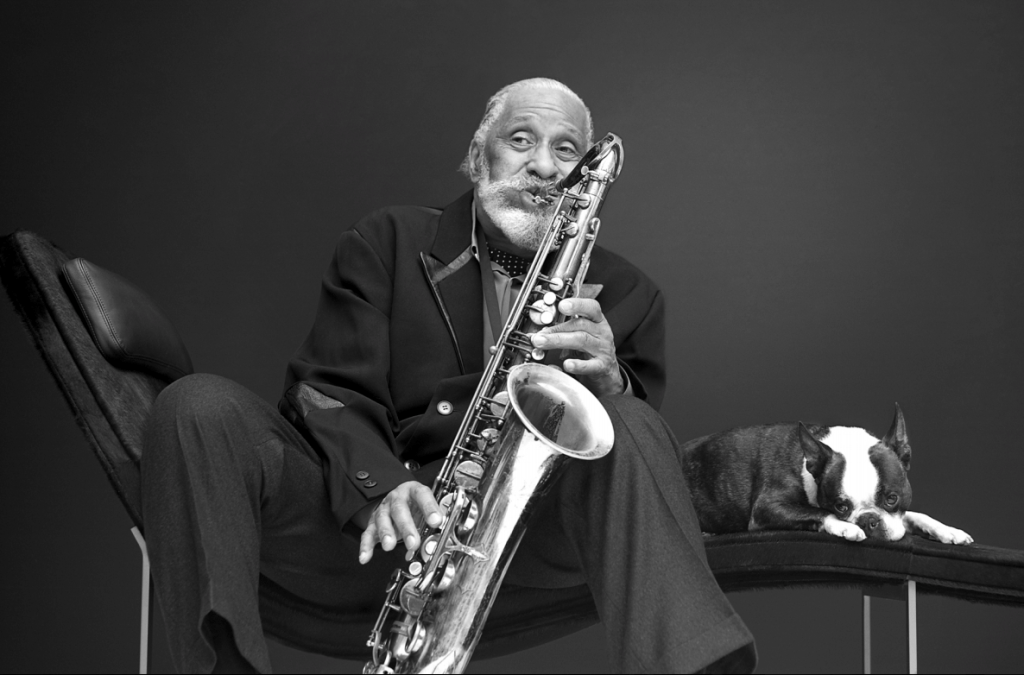
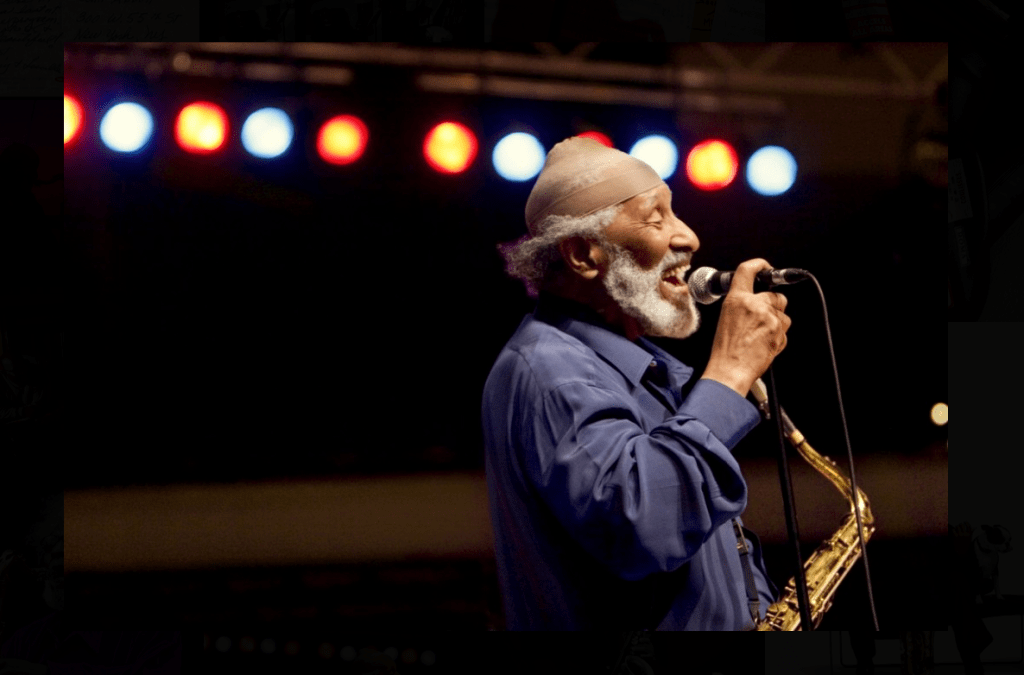
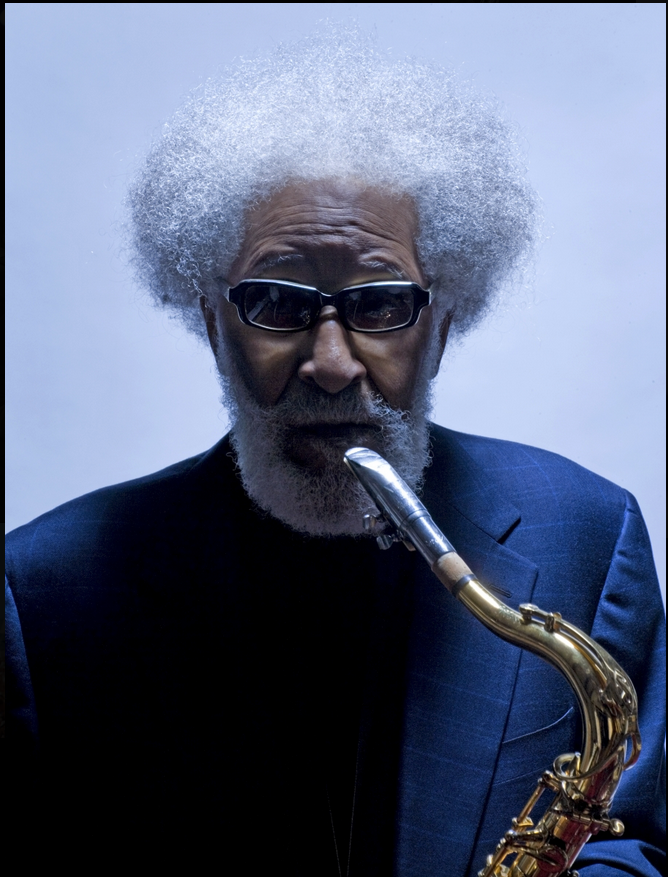
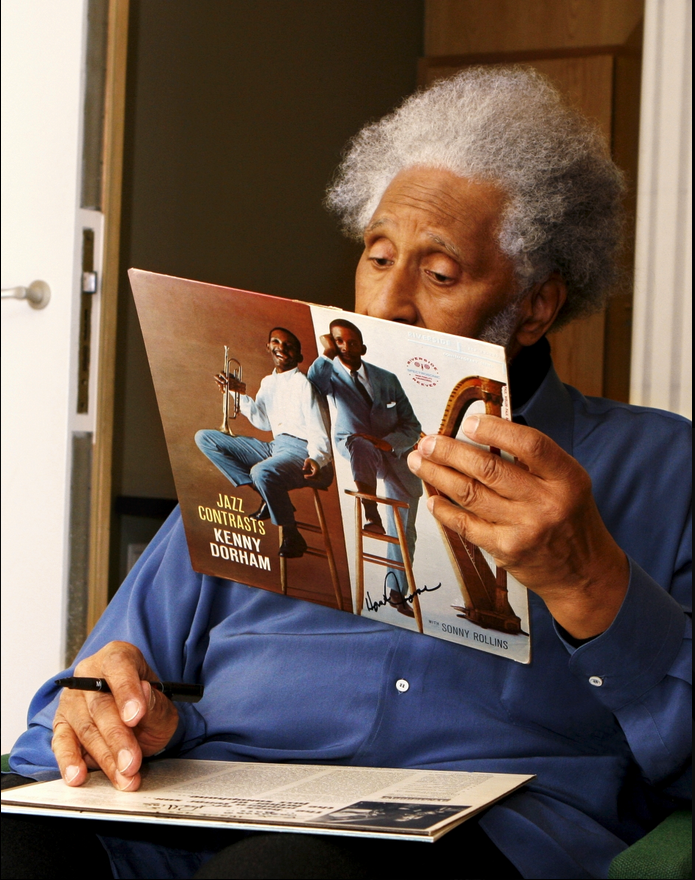
Sonny Rollins belonged to that generation that crossed paths with Charlie Parker, Miles Davis, John Coltrane, Thelonious Monk, and Art Blakey. Genius was there, but so were drugs and chaos. He was eventually arrested for drug possession before entering treatment in Lexington, Kentucky.
“I don’t think you have to drink and take drugs to play good jazz,” he would later say.
In 1959, Sonny Rollins stepped away from the stage to find his breath again. He climbed the Williamsburg Bridge in New York and played there alone for hours. That two-year retreat would produce the album.
“That’s what I was looking for. It was a place of my own. I could blow into my saxophone as hard as I wanted.”
It is immediately recognizable: robust, lyrical, and rhythmically free. He plays with melody as if it were a living material, moving it, rebuilding it. He developed a highly personal way of making the tenor saxophone into a voice that is almost human, almost spoken.
His aura also grew in France, where he found faithful listeners. In 2013, Henri Selmer Paris presented him at Jazz in Marciac with a saxophone made especially for him, engraved “Tenor Colossus” with serial number 750000. Paris and France long offered Sonny Rollins a different relationship to talent, time, and resonance.
Sonny Rollins’s legacy can be measured in sixty albums and seven decades of presence: he leaves behind a discography and an ethic. He leaves the trace of a Black jazzman who transformed injustice into music, and music into action. He was a colossus; he was a Black breath.
Jean-Claude Djian
Listening suggestion: Sonny Rollins, l’Ivresse de la solitude — a 10-episode podcast from France Musique



Votre commentaire