
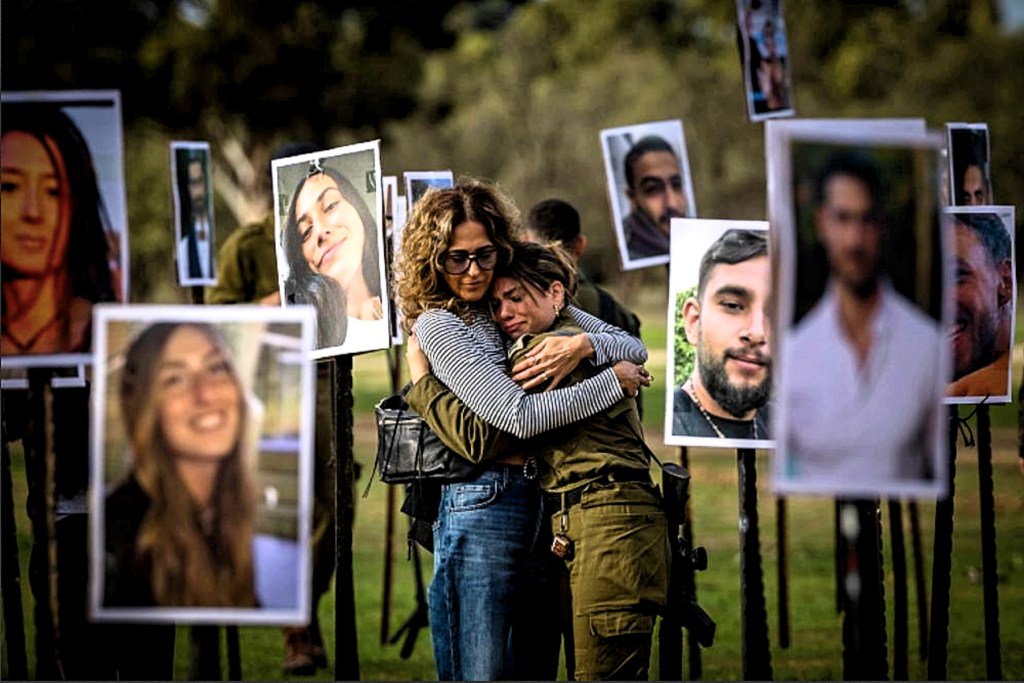

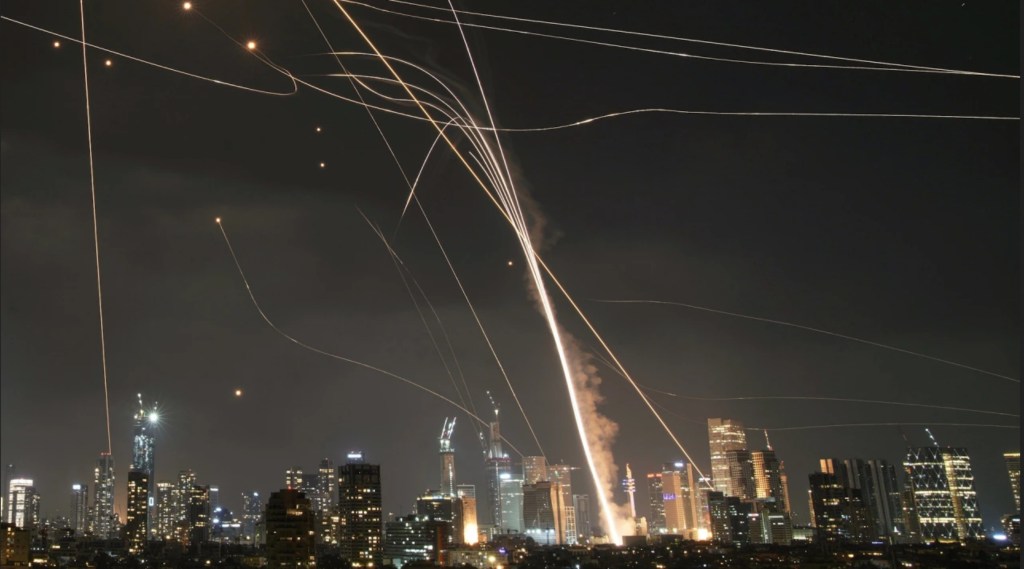
In Ashkelon, Massad and Tel Aviv, the sirens have been wailing since late February 2026. Iran and Hezbollah are launching ballistic missiles and rockets in response to Israeli and American strikes on Tehran. The conflict – an echo of past wars 2006 – has turned daily life into a choreography of shelters and alerts. Yet amid the explosions, three women embody an unyielding resilience. Agnès, Karin, and Susanna refuse to give in. They cling to the dream of peace, even when no partner seems in sight.
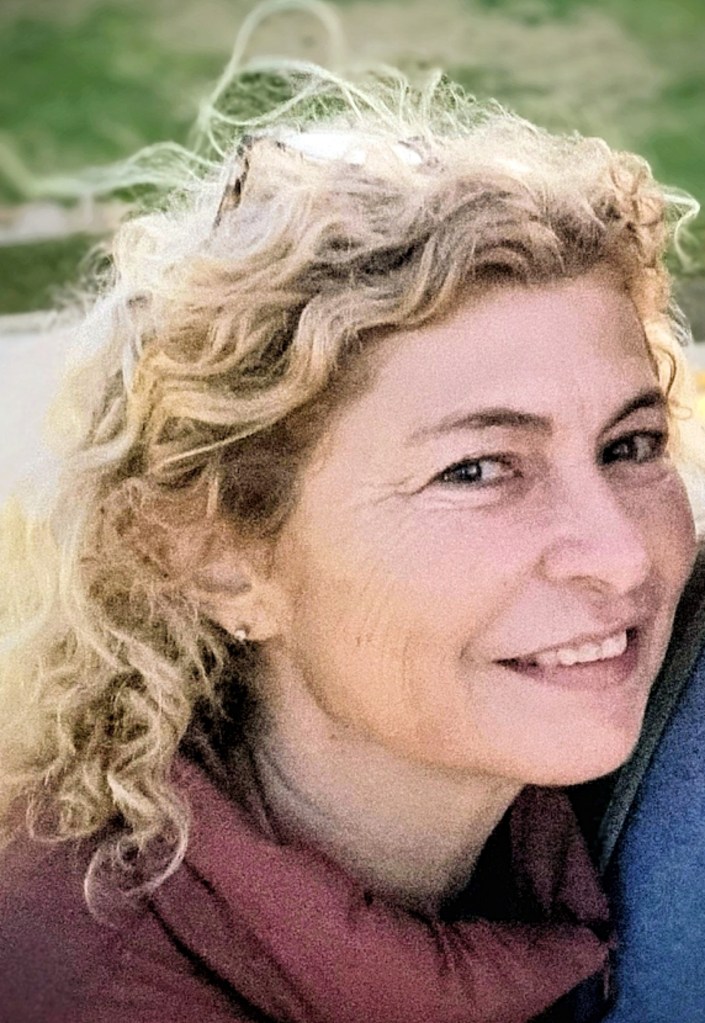
Agnès: “You meet your neighbors in the shelters”
“You can’t ignore the safety rules. People know these bombings are no joke—these are ballistic missiles. You just can’t play with that. Everyone accepts it. In the shelters, kids bring games, I bring a book. You even get to meet your neighbors. You have to see the bright side.”
Agnès Peretz, a French-Israeli lawyer who has lived in Tel Aviv for 43 years, regularly takes refuge in a nearby building’s shelter. In the city, sticking to the guidelines is not optional—it’s about survival. When she steps outside after an alert, the streets are deserted. She views the war with grim pragmatism: “It’s a chance to neutralize Iran, which funds Hamas, the Houthis, and Hezbollah.”

Karin: “We live in a state of prolonged trauma”
“Through my work, I’ve spoken with people living near Gaza. Nearly half show symptoms of PTSD, because the bombings never really stop. We live in a state of prolonged trauma. Soldiers are still fighting, families are still apart—that’s just how it is, and there’s no other way.”
Karin Keydar, a psychologist from Ashkelon, lives with her husband and two children. She says “the country’s collective trauma is deepening, aggravated by the unresolved fate of hostages in Gaza and the continued mobilization of troops.”

Susanna: “In this crisis, we stand together”
“It’s strange to feel some relief, but in a way, it’s better now that the conflict with Iran has begun. At least the uncertainty is gone. Before, we couldn’t plan anything. Do we leave, do we stay, do we drive, or not? What if an attack starts while we’re on the road ? That’s our reality here.”
Susanna Oshri, an American-born former teacher, has lived for 44 years in the village of Massad near Tiberias. She recounts that the villages attacked on October 7 were left-leaning communities. Their residents used to help people from Gaza. “They would take them to hospitals, assist them with paperwork. Instead of showing gratitude, they mapped out the villagers’ homes, noting their names and ages. They used that information against them — and killed them.”
Since 1948, Israel has faced its Arab neighbors through cycles of war and failed peace proposals. Agnès, Karin, and Susanna still hope for peace, though their voices carry a weary skepticism. “Make peace with whom?” they ask. “There’s no one.” Still, the three women are determined to stay in Israel, their true homeland, amid unrelenting existential threats.
Jean-Claude Djian

 Félix Magazine
Laisser un commentaire